Ballasted (Rock) Roofing Systems
What They Are, Why They’re Rarely Installed Today, and How Superior Roofing Inc. Helps You Manage Existing Systems
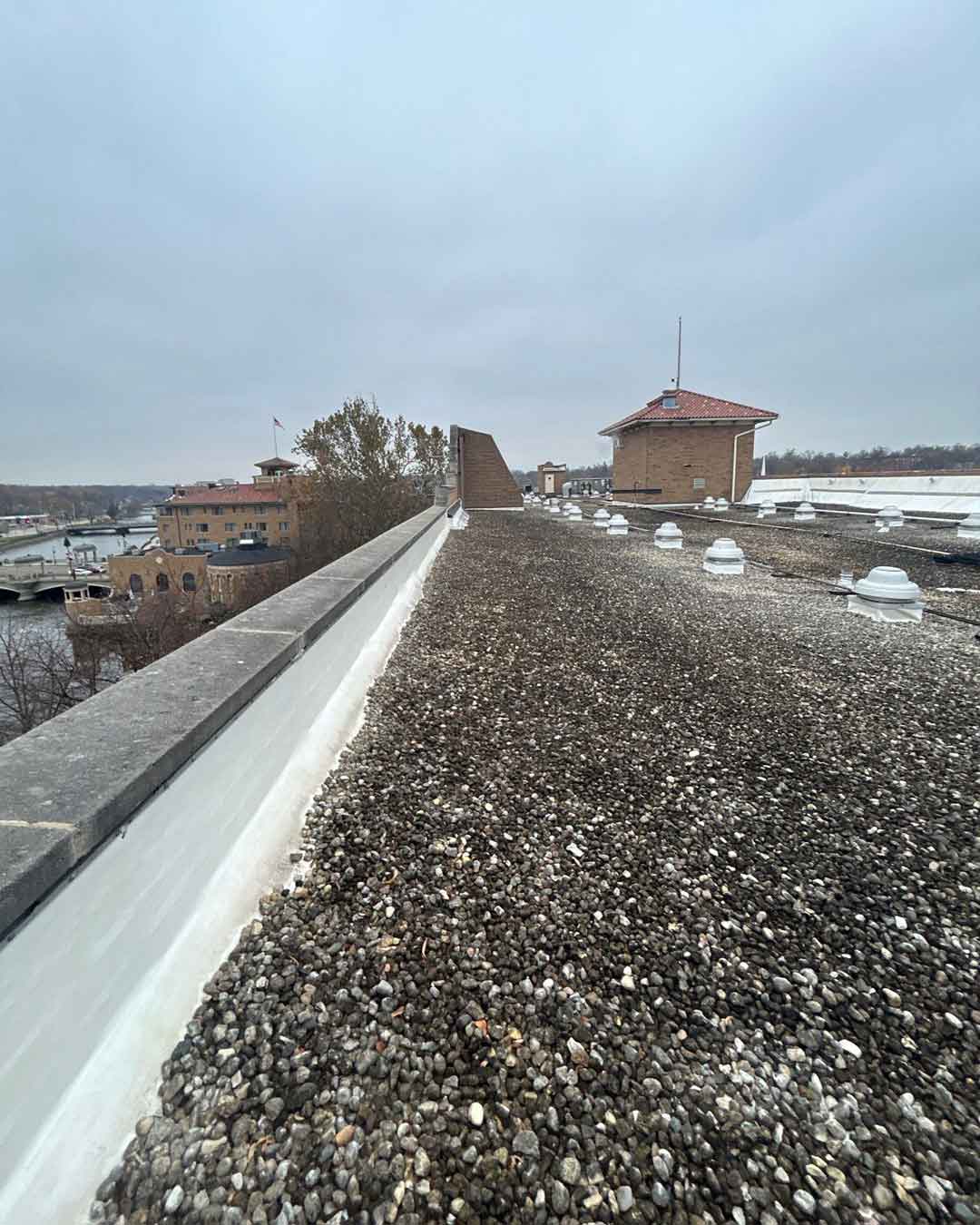
Ballasted roofing systems, often called rock roofs or gravel ballasted roofs, were once a common solution for large flat commercial buildings. Today, while many properties still have ballasted roofs in place, new ballasted roof installations are rarely the most cost-effective or practical option due to material costs, structural weight, and modern roofing advancements.
At Superior Roofing Inc., we do not typically recommend installing new ballasted roofing systems. However, we do specialize in maintaining existing ballasted roofs and can also strategically remove and reuse gravel during overlay or replacement projects—helping property owners reduce waste and control costs.
This page explains what a ballasted roof system is, how it was traditionally installed, the pros and cons compared to modern roofing systems, maintenance requirements, and the true life-cycle cost, so you can make informed decisions about managing or transitioning your existing roof.


What Is a Ballasted (Rock) Roofing System?
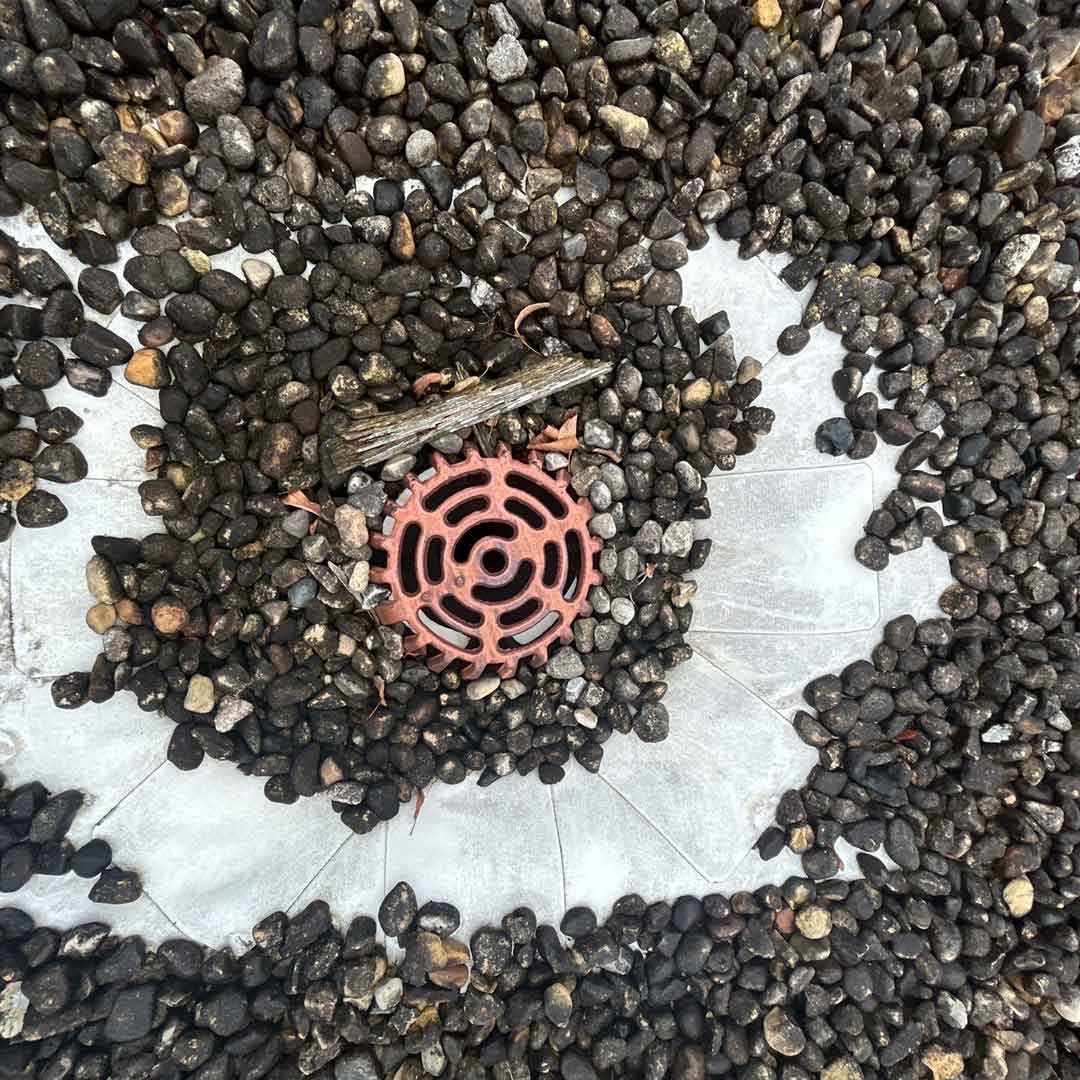
A ballasted roofing system is a flat or low-slope commercial roof where the waterproofing membrane—typically EPDM or modified bitumen—is held in place by loose stone or concrete pavers rather than being fully adhered or mechanically fastened.
The system relies on the weight of the gravel (ballast) to:
- Prevent membrane uplift from wind
- Protect the membrane from UV exposure
- Provide physical protection from minor impact
Common buildings with ballasted roofs include:
- Warehouses and distribution centers
- Manufacturing facilities
- Older office and institutional buildings
- Large retail or industrial properties built decades ago
Roof Replacement
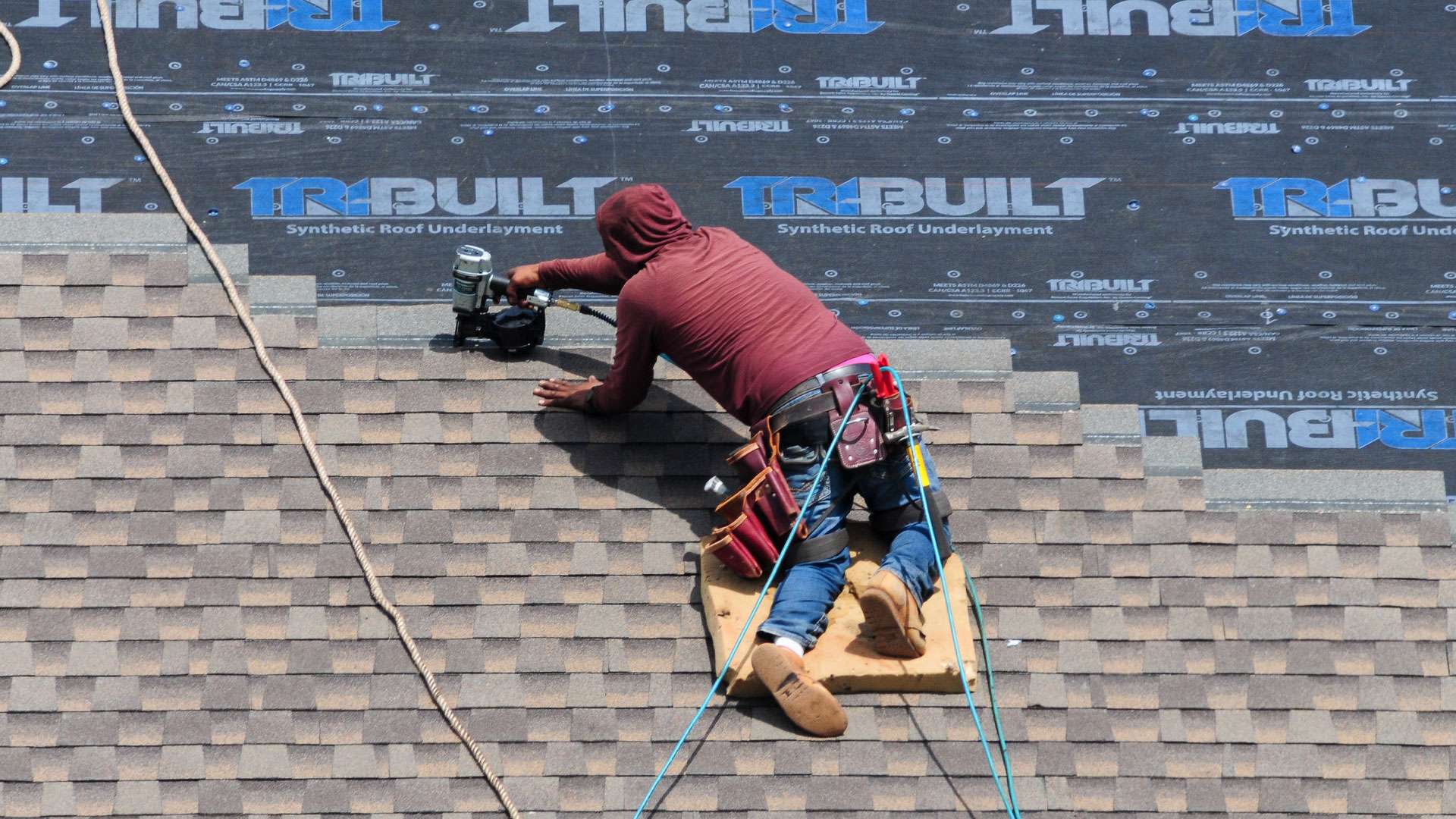
A new roof not only enhances your home’s curb appeal but also ensures safety and peace of mind for years to come.
Roof Repair
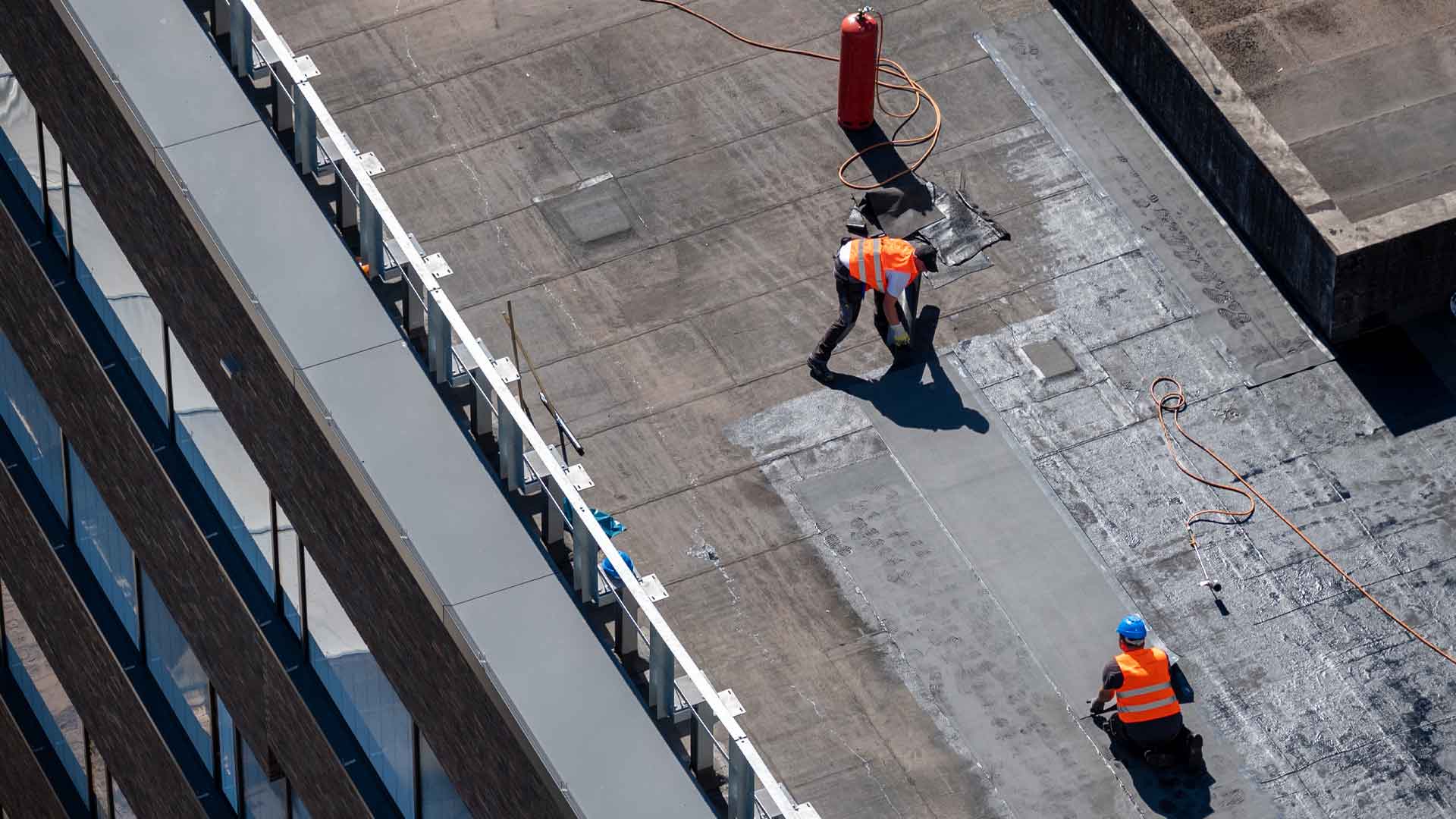
Whether you are dealing with leaks, weather damage, or just an aging roof, Superior Roofing has you covered!
Storm Damage
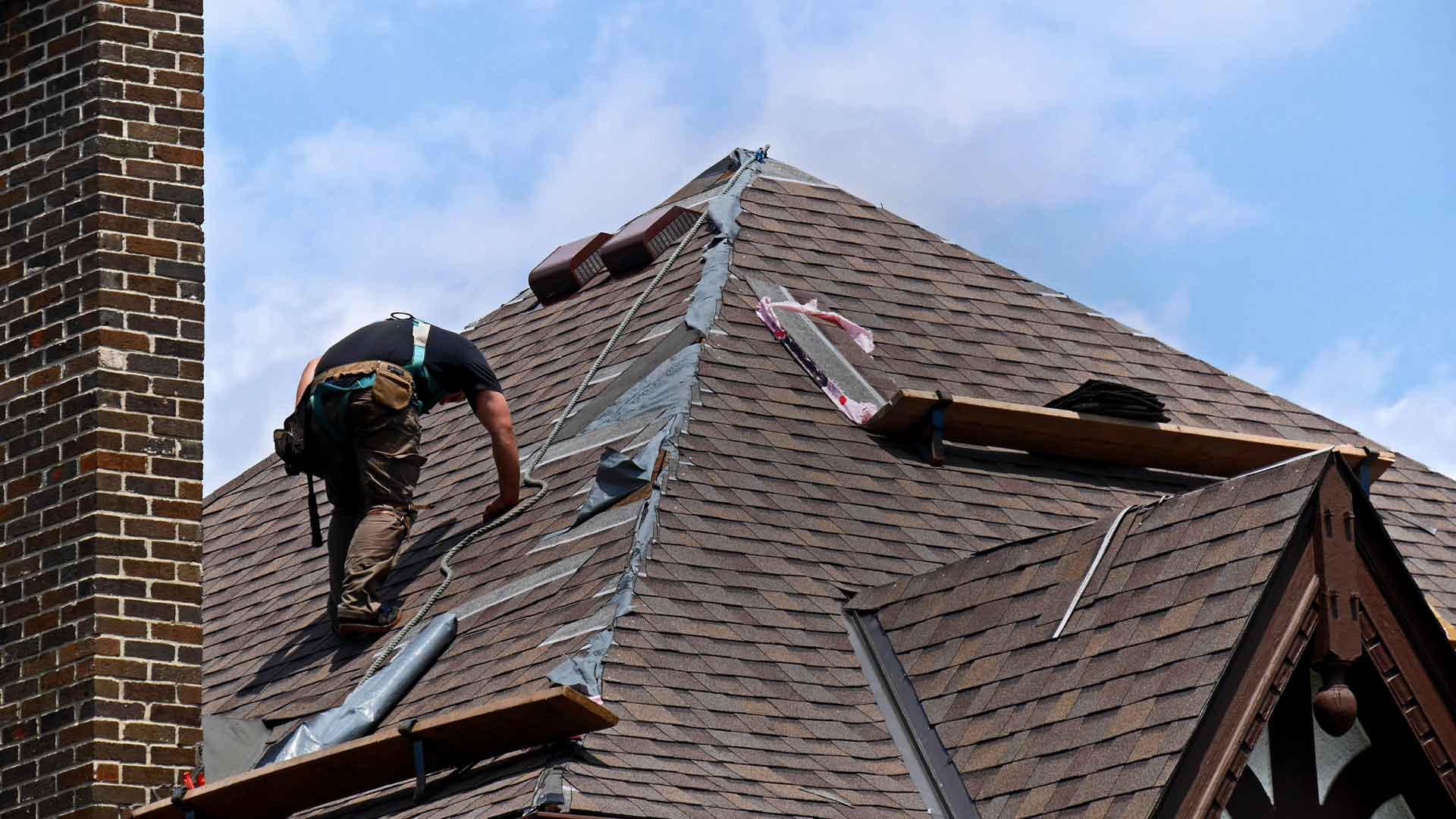
For the best storm damage repair and replacement services in Illinois. We make fast and expert work of repairs or replacement of your roof.
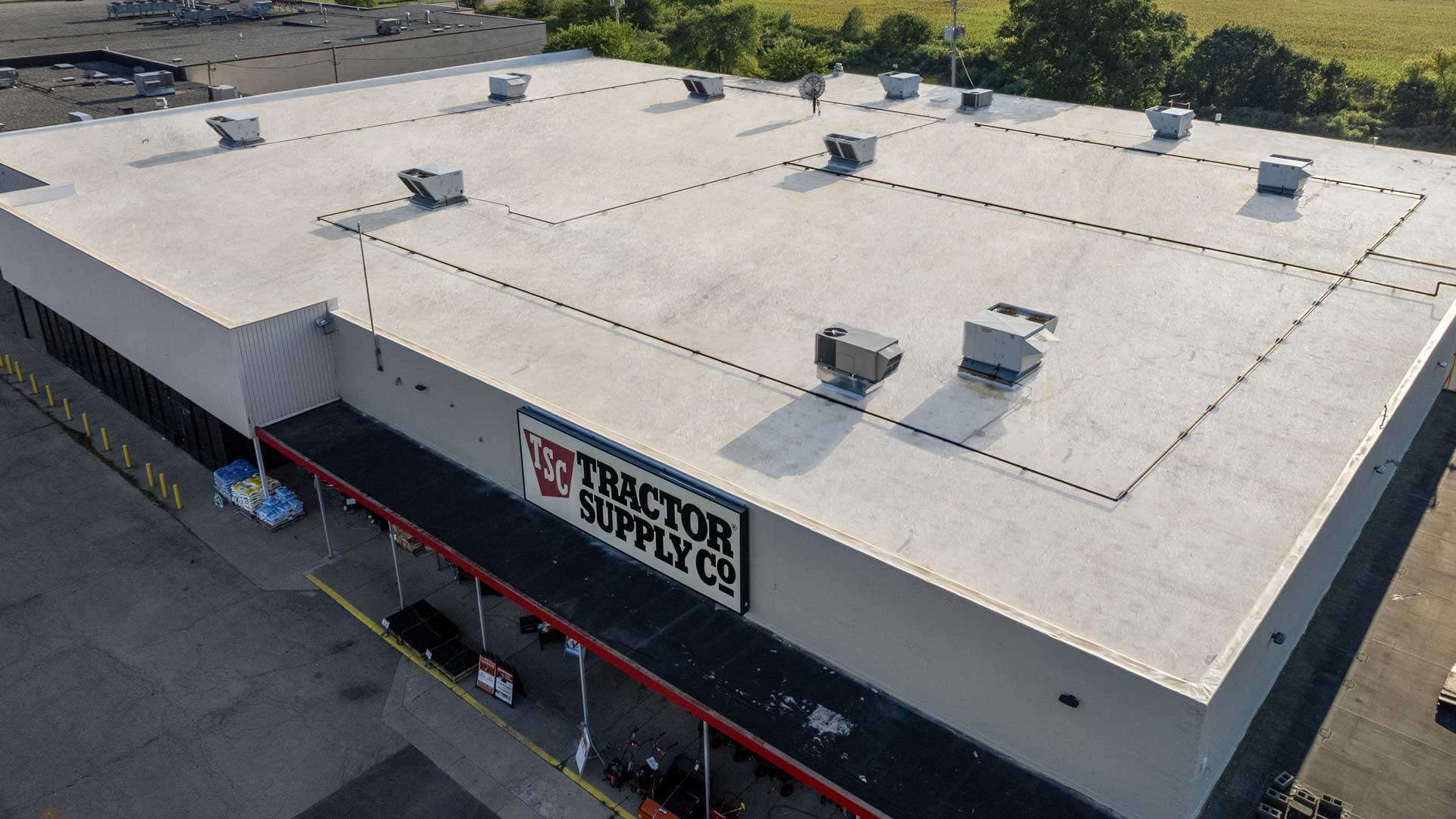
Commercial
A reliable roof is crucial for protecting your assets and ensuring business continuity. Our high-quality roofing solutions are tailored to your commercial needs.
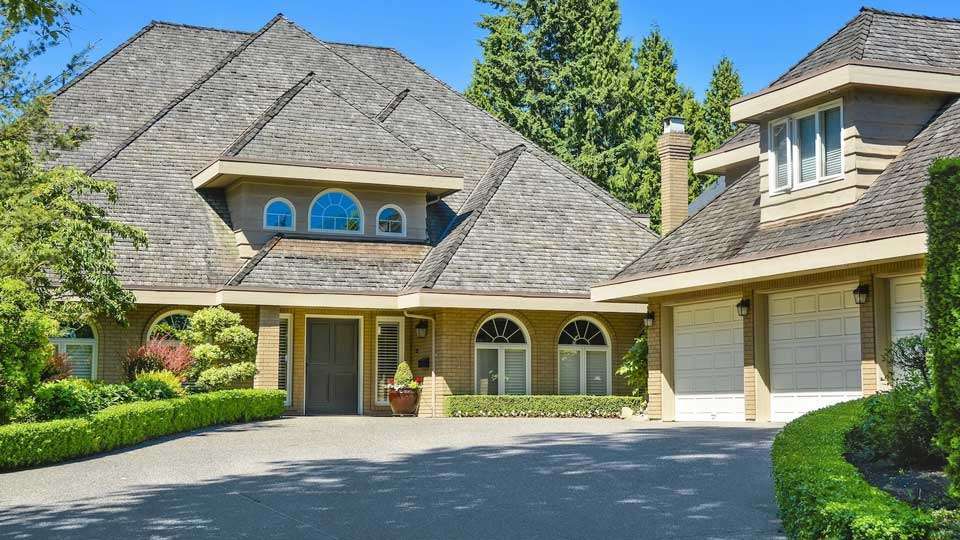
Residential
A strong, reliable roof is essential for your family’s safety and comfort. Trust our experienced team to deliver exceptional results that stand the test of time.

Maintenance
Protect your commercial roof investment with a customized preventive maintenance plan designed to extend roof life, prevent costly leaks, and ensure warranty compliance.
How Ballasted Roofing Systems Were Installed
Traditional installation followed these general steps:
Roof Preparation
The roof deck and insulation were prepared and inspected to ensure they could support the significant additional weight of ballast.
Membrane Installation
A single-ply membrane (most commonly EPDM) was loosely laid over the insulation with minimal attachment.
Separation Fabric
A geotextile fabric was installed to protect the membrane and prevent stone abrasion.
Gravel or Paver Placement
Crushed stone or concrete pavers were spread evenly across the roof surface to hold the system in place.
This approach reduced fasteners and adhesives—but introduced new logistical challenges.


Why Ballasted Roofing Is Rarely Installed Today
While ballasted roofs can still perform, new installations are uncommon due to several modern realities:
- High Material & Labor Costs – Transporting and placing tons of gravel is expensive
- Structural Load Concerns – Not all buildings can support the added weight
- Drainage & Leak Detection Challenges – Gravel hides membrane issues
- Wind Uplift Risks – Stone displacement can occur during severe weather
- Maintenance Complexity – Any repair requires moving large amounts of rock
With today’s technology, fully adhered and mechanically attached systems (TPO, PVC, EPDM) are typically more cost-effective, safer, and easier to maintain.
Pros and Cons of Ballasted Roofing Systems
Advantages of Existing Ballasted Roofs
Membrane Protection
Gravel shields the membrane from UV exposure and minor impact.
Fewer Fasteners
Reduced roof penetrations compared to older mechanically attached systems.
Sound Dampening
Stone provides noise reduction in industrial environments.
Long Historical Use
Many ballasted roofs have performed for decades with proper care.
Limitations of Ballasted Roofing
Heavy System Weight
Requires structural capacity and limits retrofit options.
Difficult Maintenance & Repairs
Gravel must be moved to inspect or repair the membrane.
Drainage Issues
Clogged drains and hidden ponding are common risks.
Higher Long-Term Costs
Maintenance and repair logistics increase expenses over time.
Not Competitive for New Installs
Modern systems outperform ballasted roofs at lower life-cycle cost.

Ballasted Roofing vs Modern Commercial Roofing Systems
|
Roofing System |
Key Difference |
| TPO Roofing | Lightweight, reflective, heat-welded seams |
| PVC Roofing | Chemical resistance, precision fabrication |
| EPDM | Flexible rubber membrane, lower install risk |
| Ballasted Roofing | Heavy, stone-weighted, legacy system |
Today, ballasted roofing is best treated as a system to maintain or transition away from, not install new.
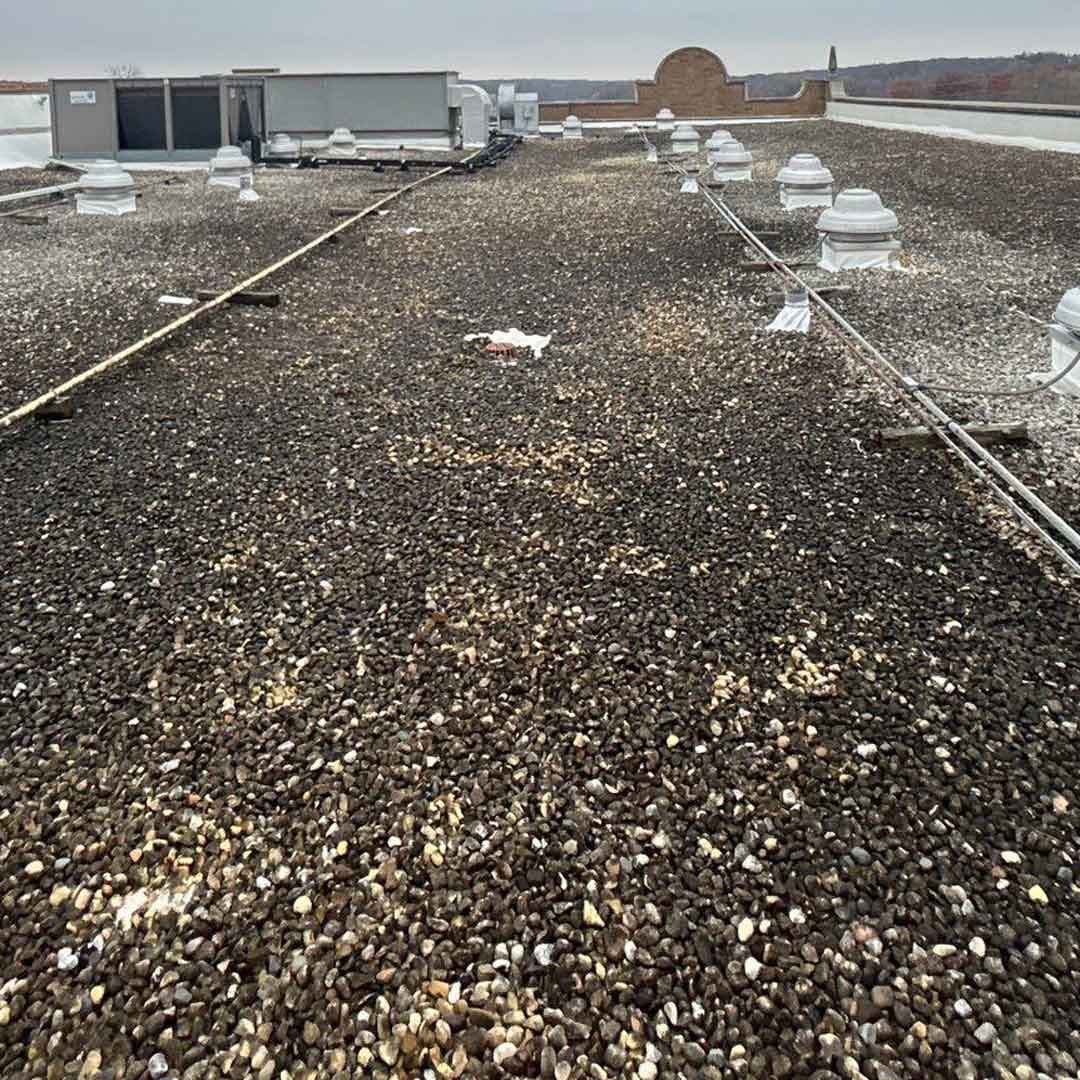
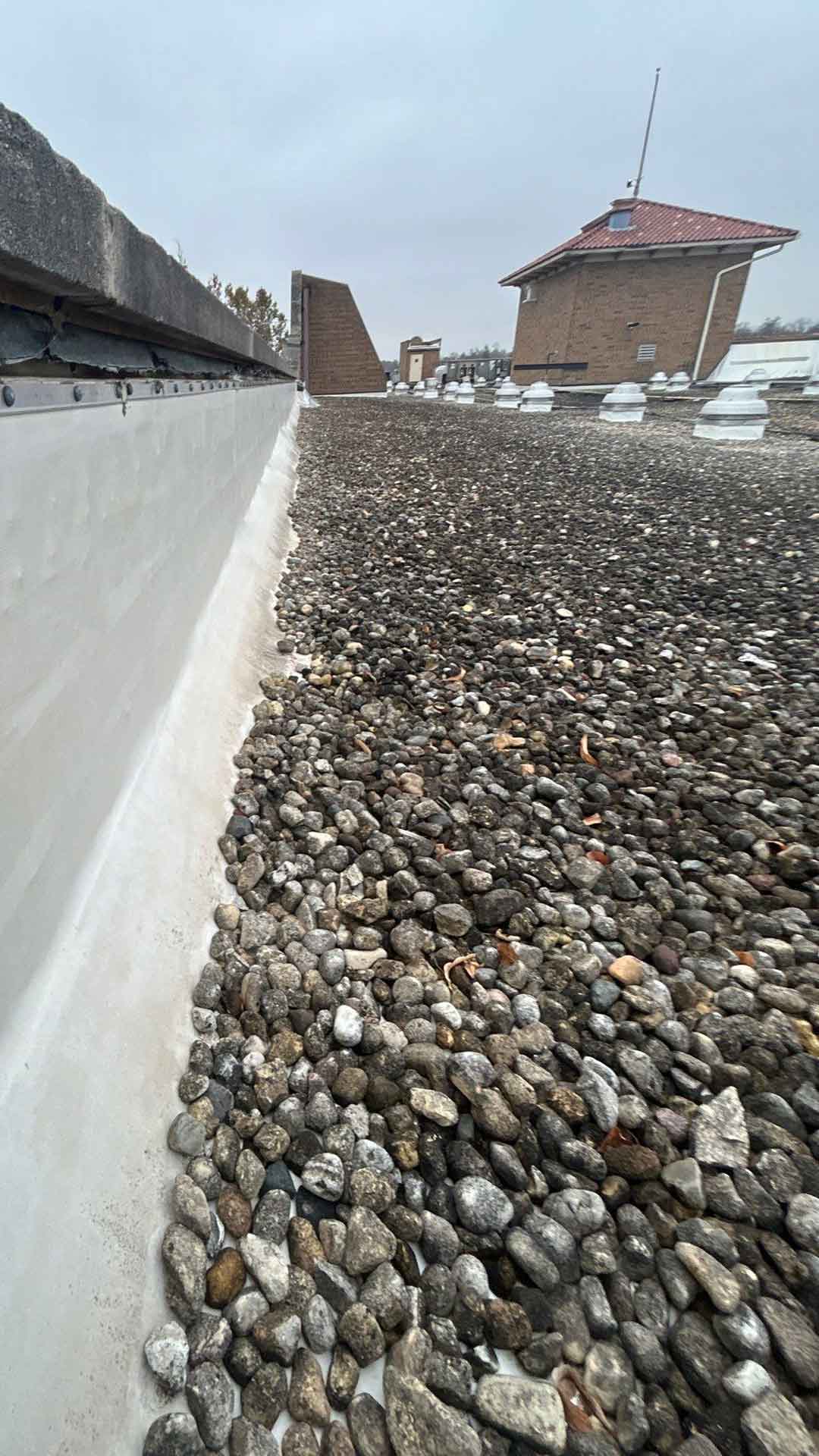
Maintaining an Existing Ballasted Roof
This is where Superior Roofing Inc. adds the most value.
Our Ballasted Roof Services Include:
- Semi-annual professional inspections
- Drain and scupper cleaning
- Selective gravel relocation for inspections
- Membrane and flashing repairs
- Leak investigations and moisture assessments
Gravel Reuse for Overlay or Replacement
When replacement is needed, Superior Roofing Inc. can remove, stockpile, and reuse existing gravel during:
- Overlay roof installations
- Tear-offs where reuse is feasible
This helps reduce disposal costs and improve project efficiency.
Typical Cost & Life-Cycle Spend of Ballasted Roofs
Original Installation Cost (Historical)
- Commonly $6–$10 per square foot at time of installation
Expected Service Life
- 20–30 years, depending on membrane type and maintenance
Ongoing Maintenance Costs
- Higher than adhered systems due to labor required to move gravel
- Increase significantly as the roof ages
Total Cost of Ownership
While ballasted roofs once offered cost advantages, today they are often more expensive to maintain than modern replacements, especially when leaks, drainage issues, or frequent access are required.
Is a Ballasted Roof Right for Your Property Today?
For new construction or roof replacement, ballasted roofing is rarely the best option due to:
- Higher installation costs
- Structural limitations
- Better modern alternatives
However, maintaining an existing ballasted roof can make sense if:
- The system is still performing
- The structure supports the load
- You want to extend service life while planning a replacement
Superior Roofing Inc.’s Approach to Ballasted Roofing
At Superior Roofing Inc., our position is straightforward:
- We do not recommend installing new ballasted roofing systems
- We maintain, repair, and inspect existing ballasted roofs
- We remove and reuse gravel during overlay or replacement projects
- We help owners plan smart transitions to modern systems
Our goal is not to push outdated systems—but to protect your building, control costs, and guide you toward the best long-term roofing strategy.
Final Thoughts: Managing a Legacy Roofing System
Ballasted roofing systems played an important role in commercial construction history. Today, they represent a legacy system that requires informed management and forward planning.
If your property has a ballasted (rock) roof, Superior Roofing Inc. can help you:
- Keep it watertight
- Reduce maintenance headaches
- Reuse materials where possible
- Plan a cost-effective replacement
The smartest roofing decision isn’t always what to install next—it’s how to manage what you already have, until the timing is right.