Built-Up Roofing (BUR) Systems
What They Are, How They Perform, and How Superior Roofing Inc. Helps You Manage Existing BUR Roofs
Built-Up Roofing (BUR), often called tar-and-gravel roofing, is one of the oldest commercial roofing systems still found on buildings today. While BUR roofs were once the industry standard for flat and low-slope roofs, they are no longer commonly installed on new buildings due to safety, environmental, and operational hazards during installation.
That said, thousands of commercial, industrial, and institutional properties still rely on existing BUR roofs—and those roofs still need professional maintenance, repairs, and life-extension strategies.
At Superior Roofing Inc., we do not install new BUR roofing systems, but we do provide expert inspection, maintenance, and repair services for existing BUR roofs to help property owners maximize remaining service life and plan smart replacements.
This page explains what BUR roofing is, how it was installed, how it compares to modern systems, maintenance needs, life-cycle costs, and why BUR is now considered a legacy system rather than a new-installation option.
What Is Built-Up Roofing (BUR)?
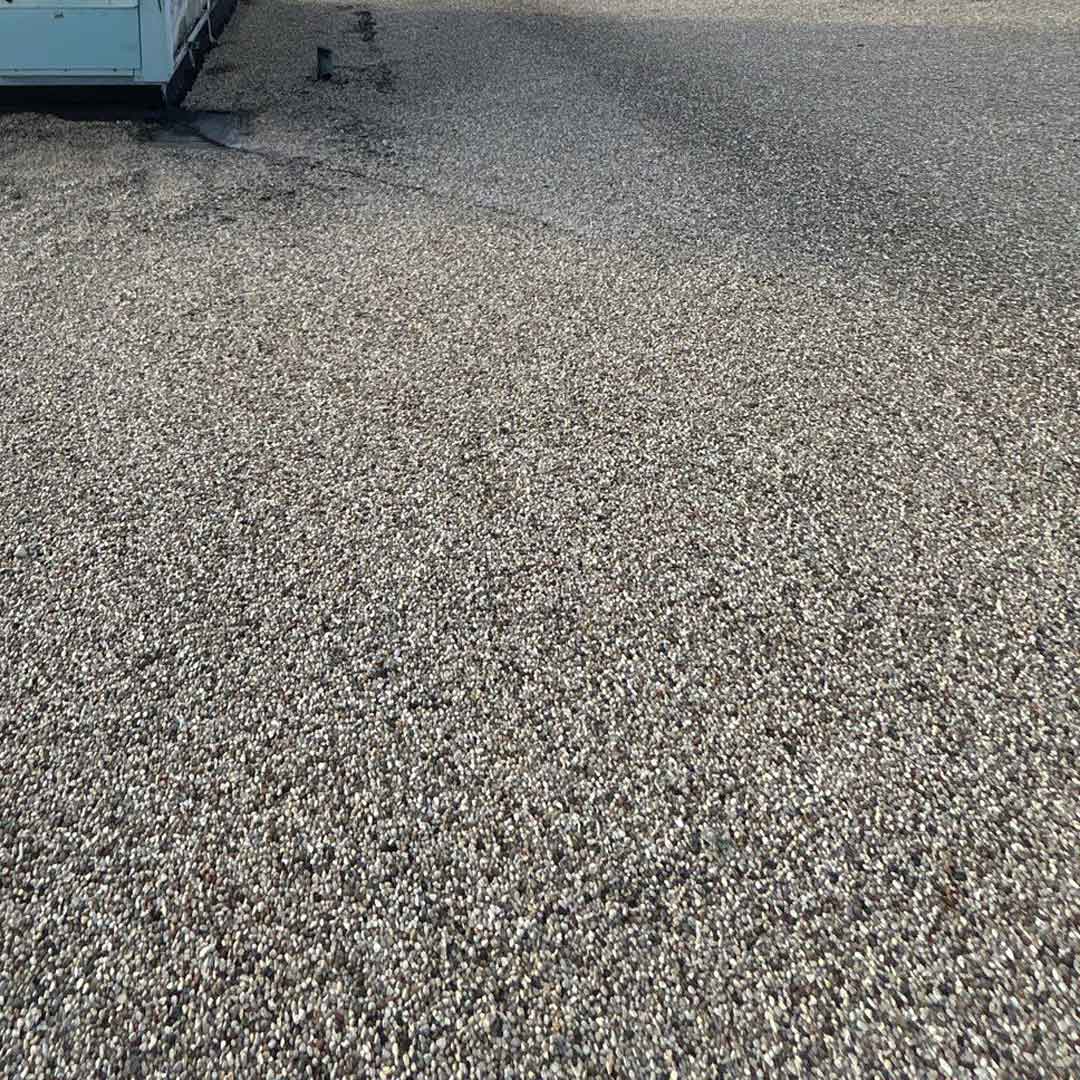
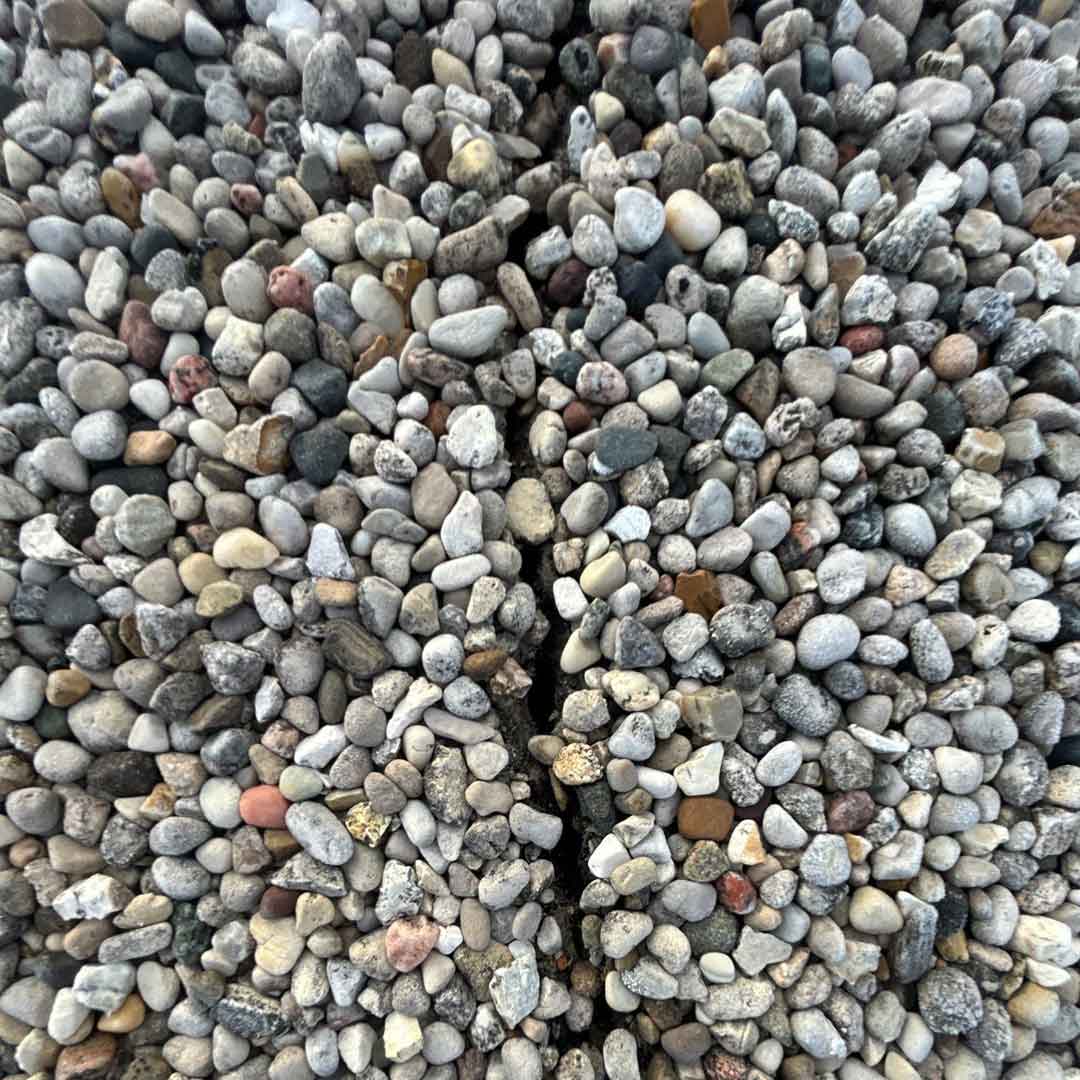
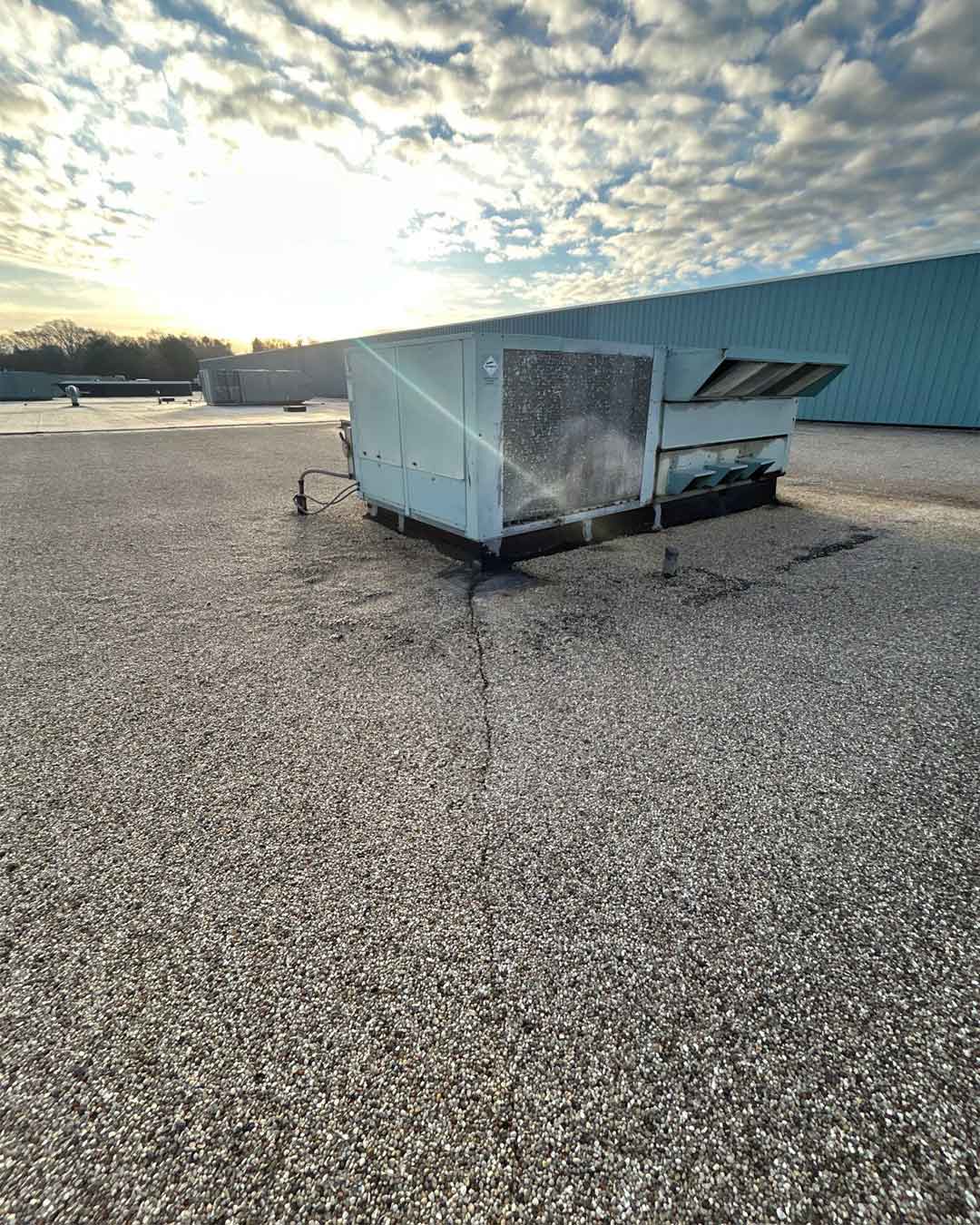
Built-Up Roofing (BUR) is a multi-ply roofing system designed for flat and low-slope commercial roofs. It is constructed by alternating layers of bitumen (hot asphalt or coal tar) with reinforcing fabrics, then finished with a protective surfacing layer, typically gravel.
A traditional BUR system includes:
- Roof deck
- Insulation
- Multiple plies of felt or fabric
- Hot asphalt or bitumen
- Flood coat and gravel or mineral surfacing
This layered construction creates redundant waterproofing, which is why BUR roofs were historically used on large, high-risk buildings.
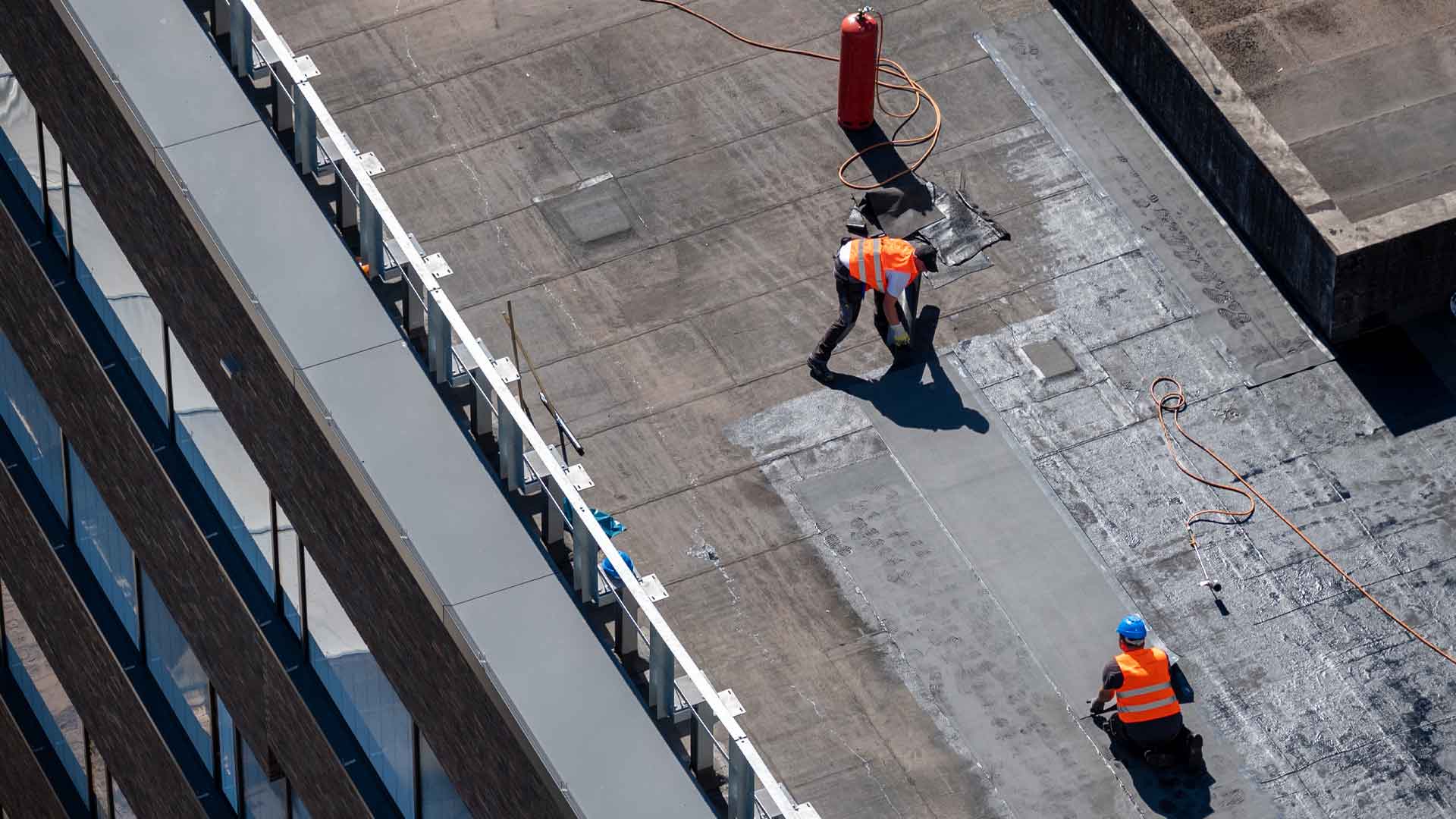
Roof Replacement
A new roof not only enhances your home’s curb appeal but also ensures safety and peace of mind for years to come.
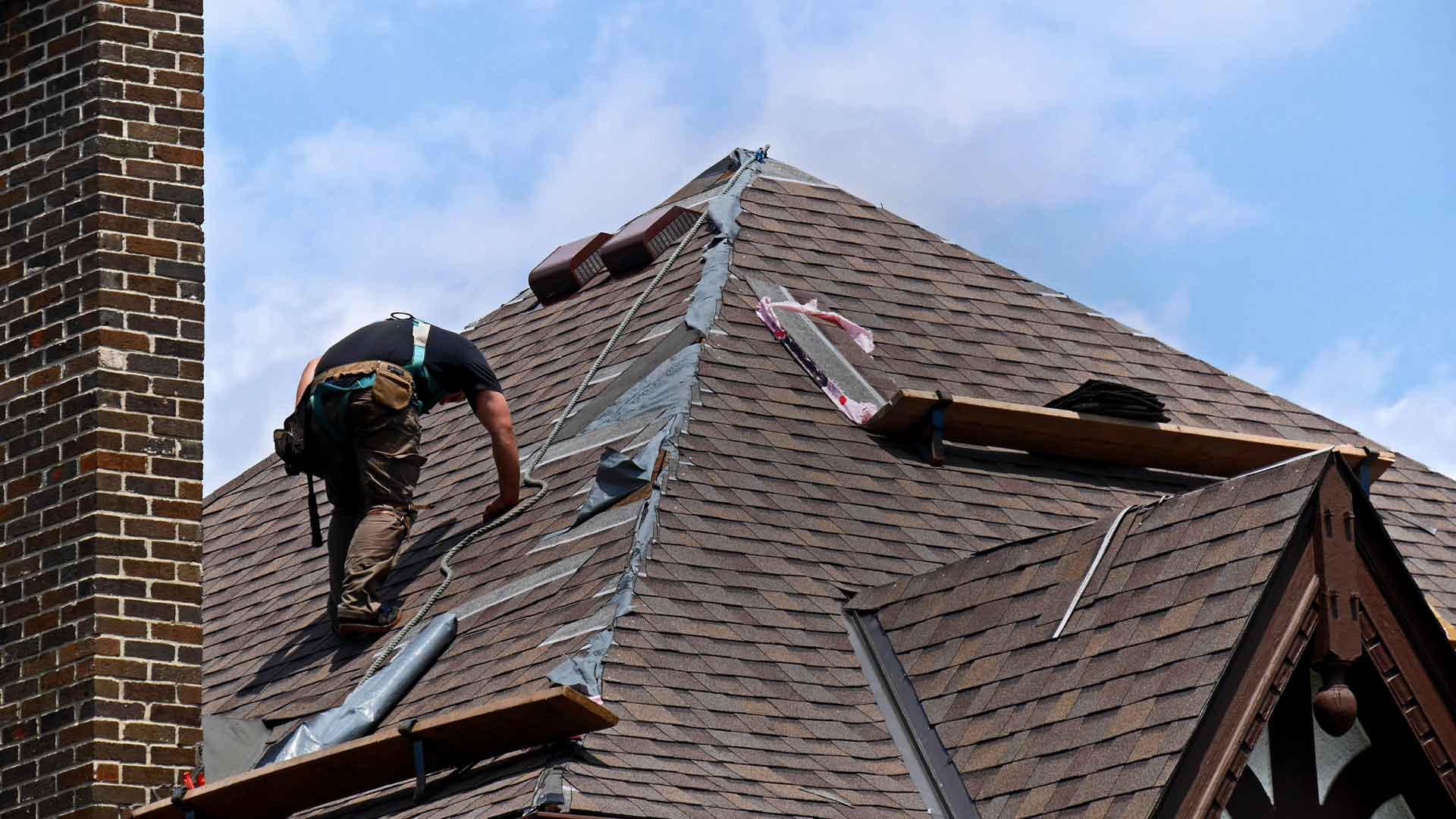
Roof Repair
Whether you are dealing with leaks, weather damage, or just an aging roof, Superior Roofing has you covered!
Storm Damage
For the best storm damage repair and replacement services in Illinois. We make fast and expert work of repairs or replacement of your roof.
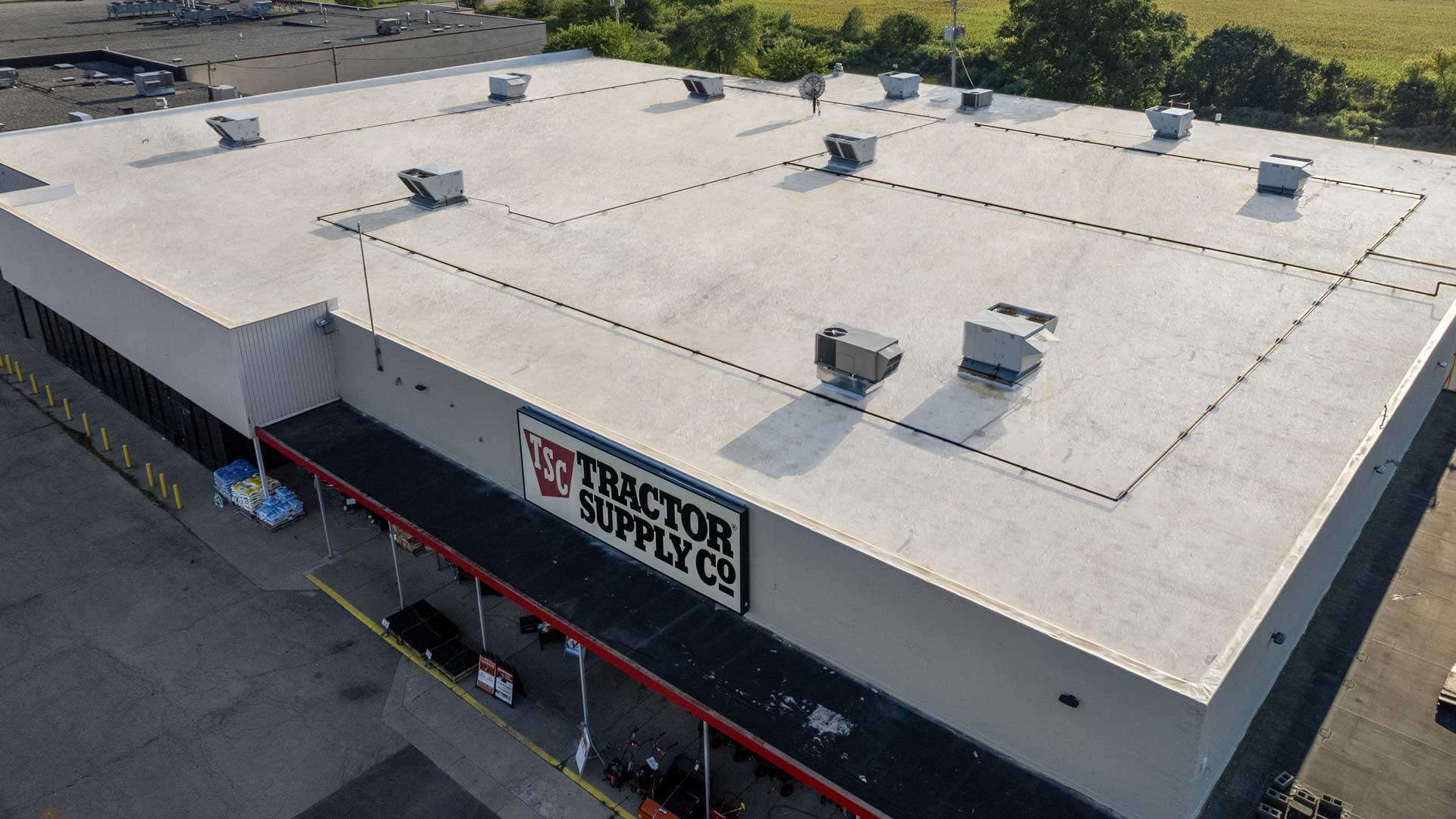
Commercial
A reliable roof is crucial for protecting your assets and ensuring business continuity. Our high-quality roofing solutions are tailored to your commercial needs.
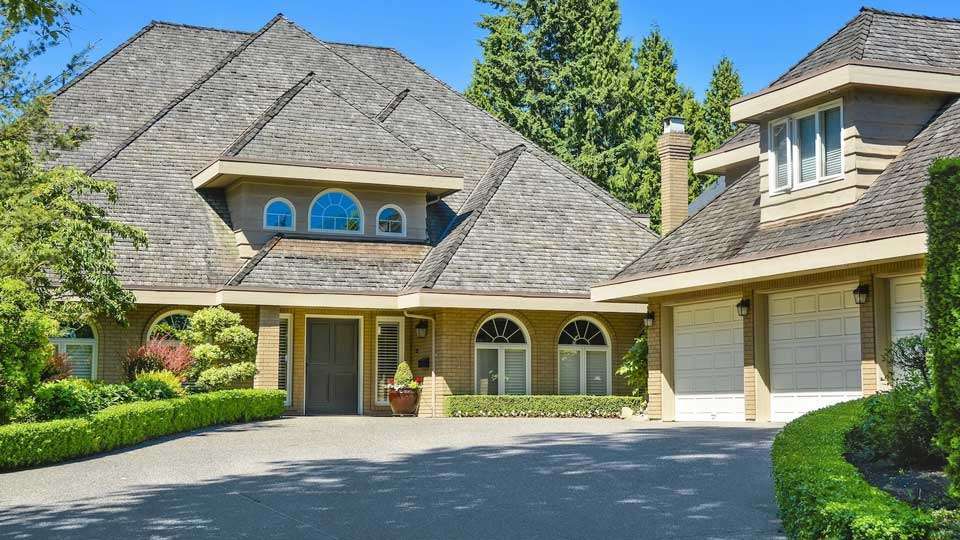
Residential
A strong, reliable roof is essential for your family’s safety and comfort. Trust our experienced team to deliver exceptional results that stand the test of time.

Maintenance
Protect your commercial roof investment with a customized preventive maintenance plan designed to extend roof life, prevent costly leaks, and ensure warranty compliance.
How BUR Roofing Was Traditionally Installed
BUR installation was a labor-intensive and hazardous process, typically involving:
Roof Preparation
Removal of old materials and preparation of the roof deck and insulation.
Hot Asphalt Application
Asphalt heated to extreme temperatures was mopped or spread across the roof.
Multi-Ply Layering
Reinforcing fabrics were embedded into hot asphalt layer by layer.
Surfacing Application
A final flood coat of asphalt was applied and covered with gravel or mineral aggregate.
Why This Matters Today
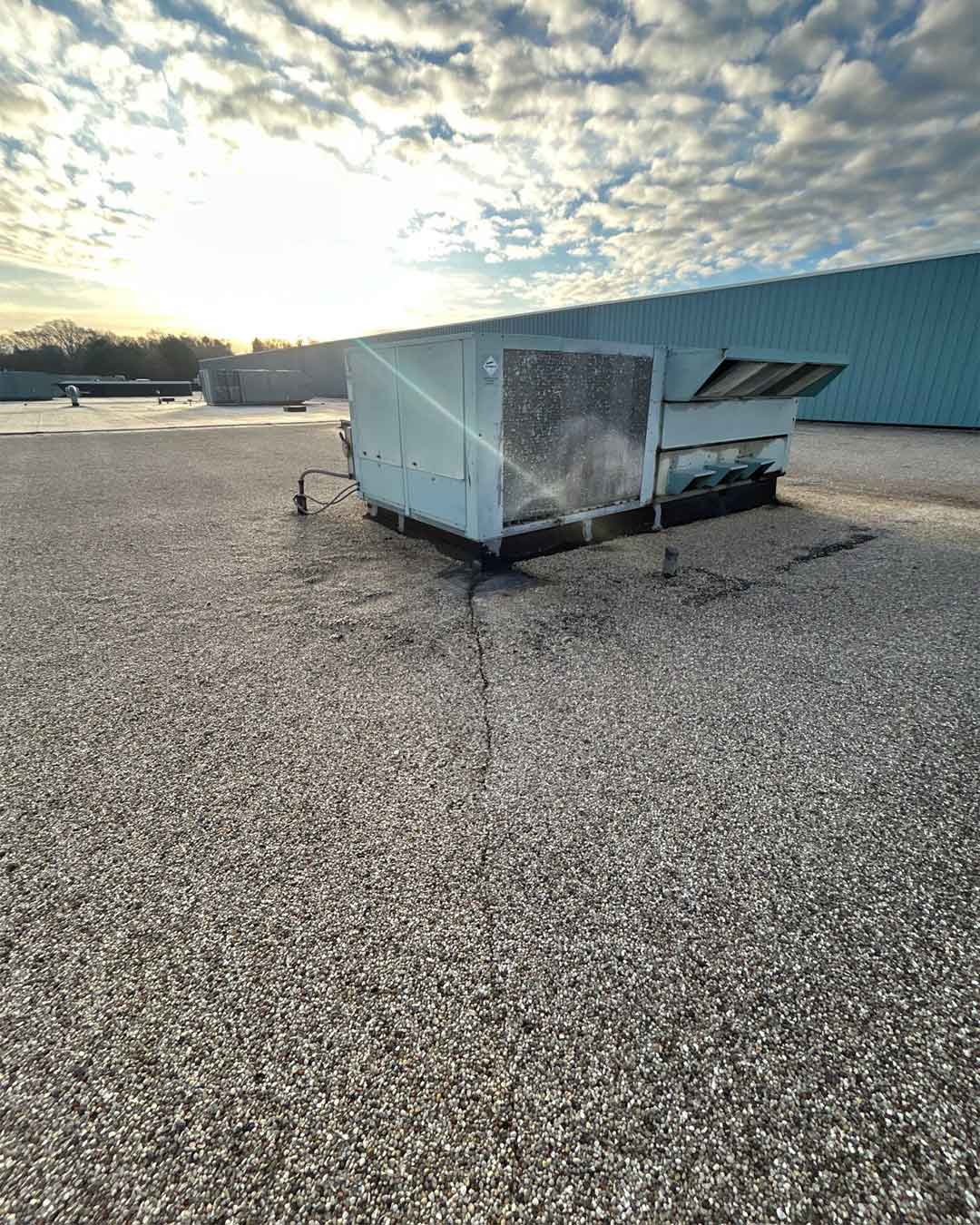
Because BUR installation involves hot asphalt, open flames, fumes, and significant jobsite hazards, it has largely been replaced by safer, cleaner, and more efficient single-ply roofing systems.
Why BUR Roofing Is Rarely Installed Today
While BUR systems can perform well, new installations are uncommon for several important reasons:
- Safety Hazards – Hot asphalt, kettles, and fumes increase fire and injury risk
- Building Disruption – Odors and smoke are problematic for occupied buildings
- Environmental Concerns – Emissions and material handling restrictions
- Labor Intensity – Longer install times and higher labor exposure
- Better Modern Alternatives – TPO, PVC, and other systems deliver similar or better performance with fewer risks
For these reasons, Superior Roofing Inc. does not offer new BUR roof installations.
Pros and Cons of BUR Roofing (Compared to Modern Systems)
Advantages of Existing BUR Roofs
Redundant Waterproofing
Multiple layers provide backup protection if one layer fails.
Excellent Puncture Resistance
Thick systems hold up well to foot traffic and rooftop equipment.
UV Protection
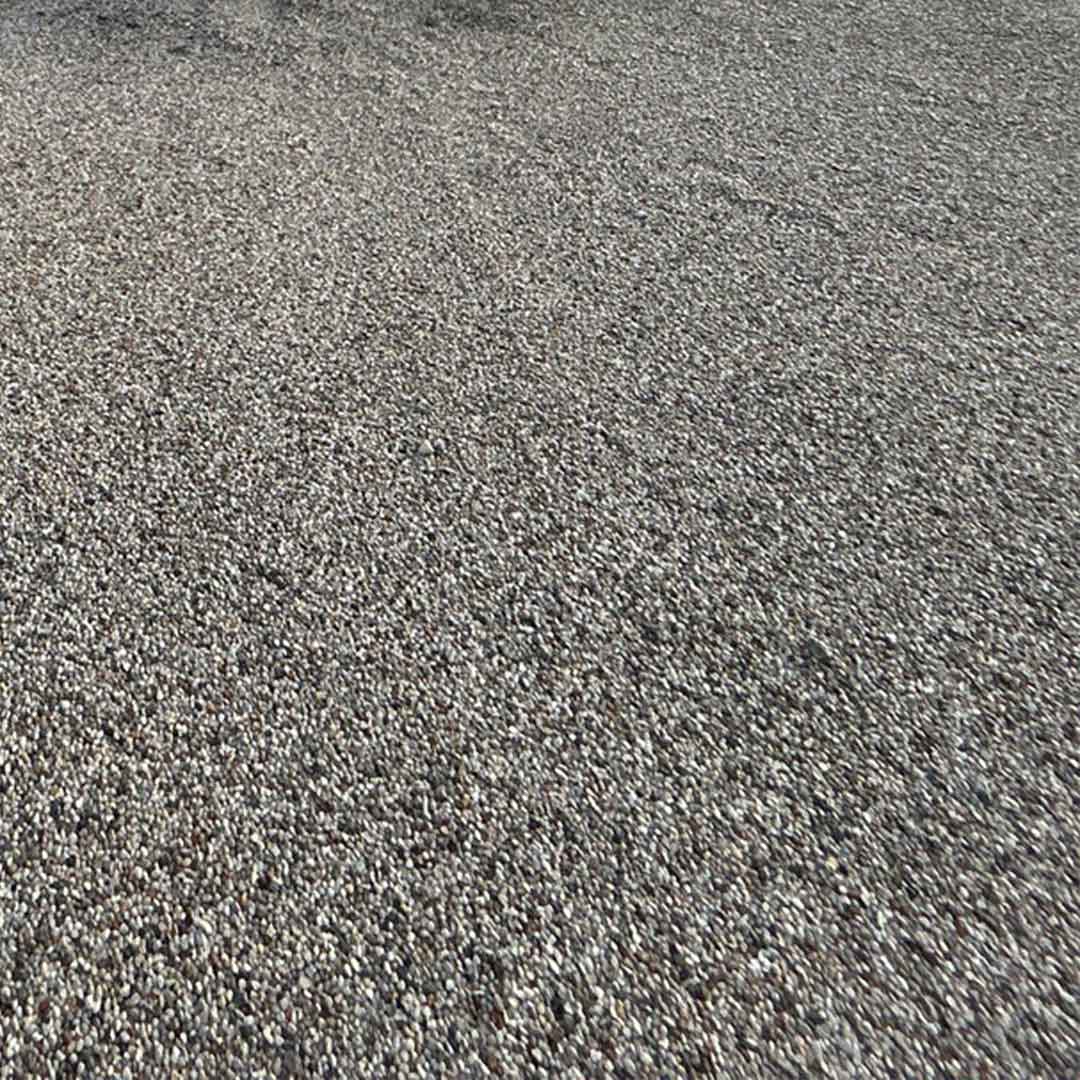
Gravel surfacing shields underlying materials from sunlight.
Long Historical Performance
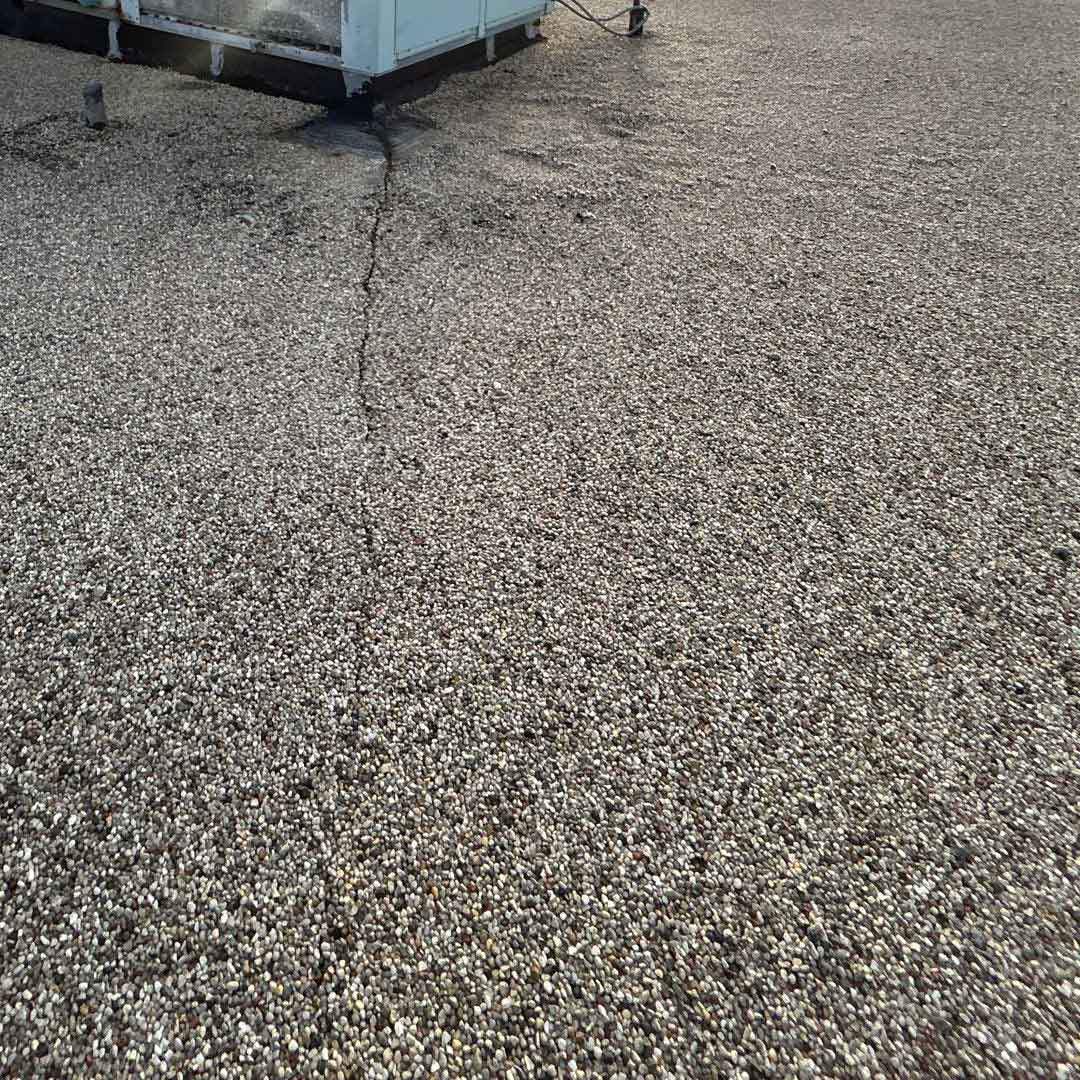
Well-maintained BUR roofs can last 25–30+ years.
Limitations of BUR Roofing
Heavy System Weight
Not suitable for all structures without engineering review.
Difficult Leak Detection
Water can travel between layers before becoming visible.
Higher Maintenance Over Time
Gravel displacement, flashing fatigue, and surface wear require monitoring.
No Longer Industry Standard
Replacement materials and skilled labor are becoming less common.
BUR vs Modern Commercial Roofing Systems
|
Roofing System |
Key Difference |
| TPO Roofing | Lightweight, reflective, heat-welded seams |
| PVC Roofing | Chemical resistance, precision fabrication |
| EPDM | Flexible rubber membrane, lower install risk |
| BUR Roofing | Heavy, multi-ply, hot asphalt system (legacy) |
Today, BUR is best viewed as a roof to manage and plan for replacement, not a system to newly install.
Maintaining an Existing BUR Roof
This is where Superior Roofing Inc. provides the most value. Proper maintenance can significantly extend the remaining life of a BUR roof.
Recommended BUR Maintenance Includes:
- Semi-annual professional inspections
- Drain and scupper cleaning
- Gravel redistribution where displaced
- Flashing, edge metal, and penetration inspections
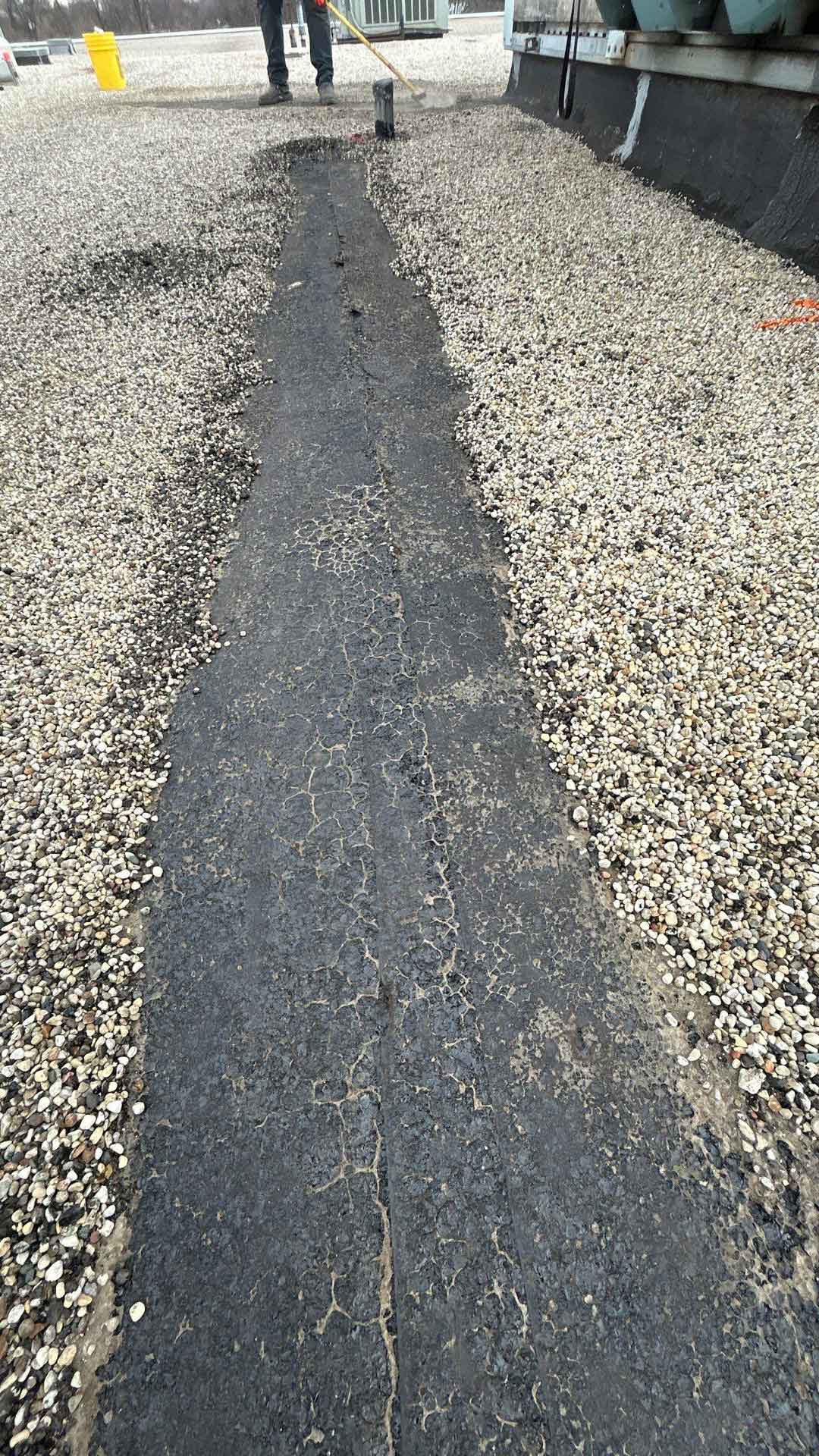
- Prompt repair of blisters, cracks, or exposed asphalt
With proactive care, many BUR roofs can remain serviceable while owners budget and plan a safe transition to a modern system.
Typical Cost & Life-Cycle Spend of a BUR Roof
Original Installation Cost (Historical)
- Typically $7–$12 per square foot at time of installation
Expected Service Life
- 25–30+ years with proper maintenance
Ongoing Maintenance Costs
- Moderate and increasing with age
- More frequent inspections recommended as the roof ages
Total Cost of Ownership
While BUR roofs often delivered strong value over decades, aging systems eventually become more expensive to maintain than to replace—especially when repairs become frequent or leaks affect operations.
Is Built-Up Roofing Right for Your Property Today?
For new construction or roof replacement, BUR is generally not recommended due to safety and efficiency concerns.
However, BUR may still be appropriate to maintain if:
- Your building already has a BUR system
- The roof structure supports the weight
- The system is still performing adequately
- You want to extend service life while planning replacement
How Superior Roofing Inc. Supports Existing BUR Roofs
At Superior Roofing Inc., our role with BUR roofing is clear and intentional:
- We inspect and maintain existing BUR roofs
- We perform targeted, professional repairs
- We help extend usable roof life when feasible
- We do not install new BUR roofing systems
Our team also helps property owners:
- Evaluate remaining roof life
- Compare modern replacement options
- Build phased replacement budgets
- Reduce emergency repairs and tenant disruption
Final Thoughts: Managing a Legacy Roofing System Wisely
Built-Up Roofing played a major role in commercial construction history—but today, it’s a legacy system that requires smart management, not blind replacement or risky new installs.
If your property has a BUR roof, Superior Roofing Inc. can help you:
- Keep it watertight
- Control maintenance costs
- Avoid surprises
- Plan the right next step
Sometimes the best roofing decision isn’t what to install—it’s how to manage what you already have.